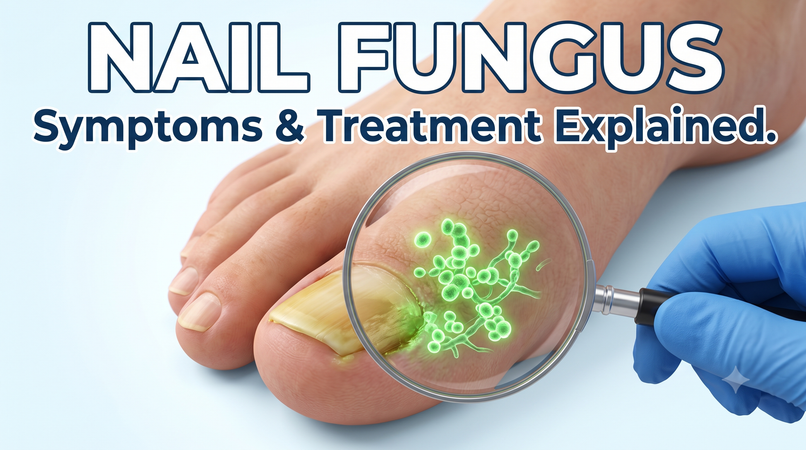
Nail fungus — medically known as onychomycosis — is one of the most common nail conditions, affecting a meaningful share of adults at some point, and it’s notoriously slow to resolve. Understanding what actually causes it and how to catch it early makes a real difference in how manageable it is to treat.
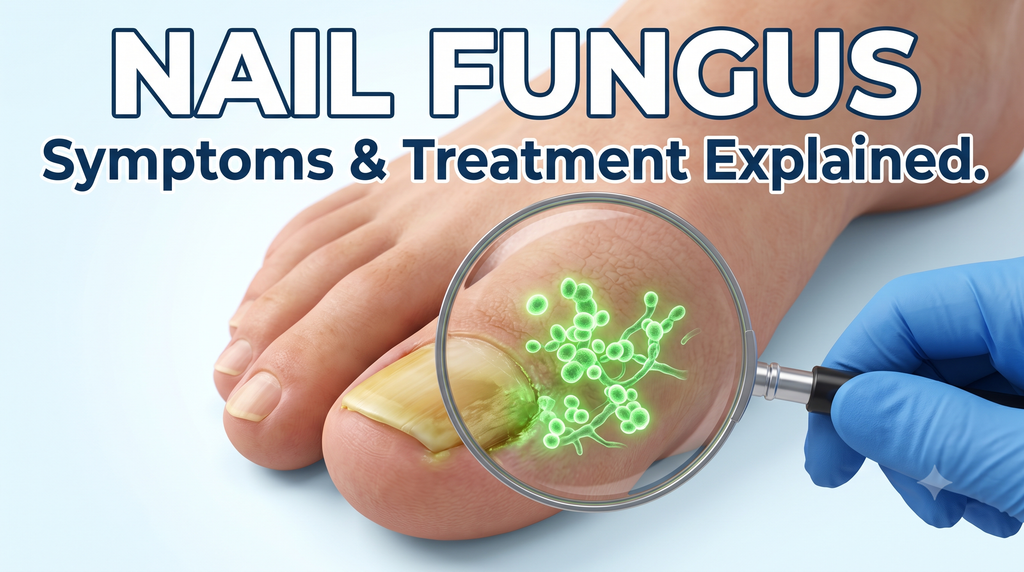
What Nail Fungus Actually Is
Nail fungus is a fungal infection that develops in, under, or around the nail — most commonly toenails, since they spend more time in the warm, damp, low-oxygen environment fungi thrive in (inside socks and shoes). The most common culprits are a group of fungi called dermatophytes, the same family responsible for athlete’s foot, though yeasts and molds can cause it too.
It’s worth understanding upfront why this condition is so persistent compared to a typical skin infection: nails grow slowly (toenails can take 12–18 months to fully regrow), and the fungus embeds itself in and under the nail plate, an area that’s hard for topical treatments to fully penetrate.
Common Causes and Risk Factors
Several factors make someone more likely to develop nail fungus:
- Warm, moist environments — communal showers, locker rooms, and pool decks are classic transmission points, since fungi spread easily on damp surfaces.
- Tight or non-breathable footwear — shoes that trap moisture and heat create an ideal environment for fungal growth.
- Existing athlete’s foot — untreated athlete’s foot commonly spreads to the toenails, since it’s the same category of fungus.
- Nail trauma — a nail that’s been injured, even minor repeated trauma from tight shoes or running, is more vulnerable to fungal invasion.
- Age — nail fungus becomes more common with age, partly due to slower nail growth and reduced circulation.
- Compromised circulation or immune function — conditions like diabetes or peripheral vascular disease increase both susceptibility and the importance of prompt treatment.
- Excessive sweating (hyperhidrosis) — consistently damp feet create favorable conditions for fungal growth.
- Nail salon tools — improperly sterilized pedicure tools are a less common but real transmission route.
Early Signs Worth Watching For
Catching nail fungus early matters because treatment is generally more effective — and takes less time — the earlier it’s addressed. Early signs include:
- A small white or yellow-brown spot under the tip of the nail
- Slight thickening of the nail
- A faint change in nail color, often starting at one edge or corner
- Mild changes in nail texture — slightly more brittle or crumbly than usual
As the infection progresses, more noticeable symptoms typically develop:
- Nail thickening and distortion in shape
- Nails becoming brittle, ragged, or crumbly at the edges
- Darker discoloration (yellow, brown, or in some cases black or green)
- A mild odor
- In some cases, the nail separating from the nail bed (onycholysis)
- Occasional mild discomfort, though nail fungus is often not painful in earlier stages
Why It Gets Misdiagnosed
Not every discolored or thickened nail is fungal. A few conditions commonly get confused with nail fungus:
- Nail psoriasis — can cause pitting, thickening, and discoloration that closely resembles fungal infection
- Nail trauma — a bruised or previously injured nail can look discolored or thickened without any fungal involvement
- Yellow nail syndrome — a rarer condition linked to slow nail growth and, in some cases, underlying respiratory or lymphatic issues
Because the visual symptoms overlap so much between these conditions, a definitive diagnosis often requires a nail clipping sample tested in a lab (a fungal culture or PCR test) — something worth knowing before assuming any nail discoloration is automatically fungal.
When to See a Doctor
It’s worth seeing a podiatrist, dermatologist, or general physician if:
- The nail is significantly discolored, thickened, or painful
- You have diabetes or a condition affecting circulation or immune function (nail infections carry more risk in these cases)
- Over-the-counter treatments haven’t shown improvement after several weeks of consistent use
- The infection appears to be spreading to other nails or the surrounding skin
A proper diagnosis matters because treatment approaches differ significantly depending on whether the underlying cause is actually fungal, and because prescription-strength options (oral antifungals or medicated lacquers) are often more effective for established infections than anything available over the counter.
The Bottom Line
Nail fungus develops gradually, thrives in warm and damp environments, and is far easier to manage in its early stages than once it’s fully established. Recognizing the early signs — subtle discoloration, slight thickening, minor texture changes — and understanding your personal risk factors gives you a real head start on treatment, rather than waiting until the infection is more visibly advanced and harder to reverse.
This article is for informational purposes only and isn’t a substitute for professional medical advice. If you suspect a nail infection, especially with diabetes or a circulation condition, consult a healthcare provider for proper diagnosis and treatment.